

Your Professional Woven Greenhouse Plastic Manufacturer!
HELIO Agricultural Technology is a family-owned company with a 15 year history. Founded in 2010 as an agricultural supply store in Henan, it sold agricultural plastic products such as greenhouse film and shade nets. Adhering to integrity in its operations, the company quickly grew into a reliable supplier for farmers.
-
![Woven Poly Greenhouse Plastic]() Woven Poly Greenhouse Plastic
Woven Poly Greenhouse PlasticHELIO Agritech woven poly greenhouse plastic features a UV-stabilized woven HDPE structure, offering higher tear resistance than standard blown greenhouse film. It is suitable for agricultural
-
![12 Mil Woven Greenhouse Plastic]() 12 Mil Woven Greenhouse Plastic
12 Mil Woven Greenhouse PlasticHelio 12 mil woven greenhouse plastic is designed for high-stress greenhouse sidewalls and vents.Its woven structure delivers excellent tear resistance, protecting crops in harsh weather.⏳ 8-year
-
![Orchard Rain Cover Tarpaulins]() Orchard Rain Cover Tarpaulins
Orchard Rain Cover TarpaulinsOrchard Rain Cover Tarpaulin, also known as Cherry Cover, is a type of rain cover designed to protect fruit trees from damage during rainfall.The completed Cherry Rain Cover Tarpaulin Panels are
-
![Woven Greenhouse Film]() Woven Greenhouse Film
Woven Greenhouse FilmWoven Greenhouse Film has a woven fabric of HDPE plastic at its core to significantly increase strength and durability. Woven plastics are puncture-resistant, tear-resistant, and can survive harsher


Why Choose Us?
Professional knowledge
Helio Agricultural Technology has 15 years of export manufacturing experience and extensive knowledge of agricultural plastics. Helio Agricultural Technology provides more than just product sales; it offers comprehensive agricultural protection solutions.
Product customization
Helio Agricultural Technology operates its own manufacturing facility, offering a wide range of specifications and sizes, ensuring production quality and dimensional compliance.
Global shipping support
Helio Agricultural Technology provides global shipping and comprehensive customs clearance support, ensuring smooth and rapid delivery of high-quality products.
Quality assurance
Helio Agricultural Technology maintains high standards for raw materials, production technology, processes, warehousing, and transportation. This allows us to confidently guarantee repairs and replacements within the warranty period.
Benefits of Woven Greenhouse Plastic
Exceptional strength and durability
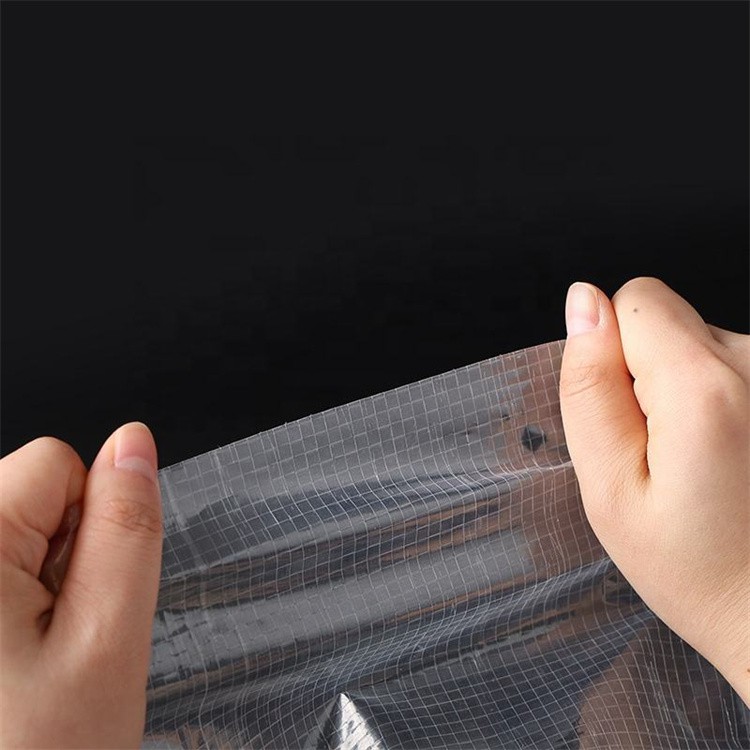
Woven greenhouse films are constructed using interlaced polymer strands, creating a robust fabric-like structure that significantly outperforms conventional plastic films. This weave enhances resistance to tearing, puncturing, and stretching caused by extreme weather conditions such as strong winds, hailstorms, and heavy snow accumulation.
Superior light diffusion and photosynthetic efficiency
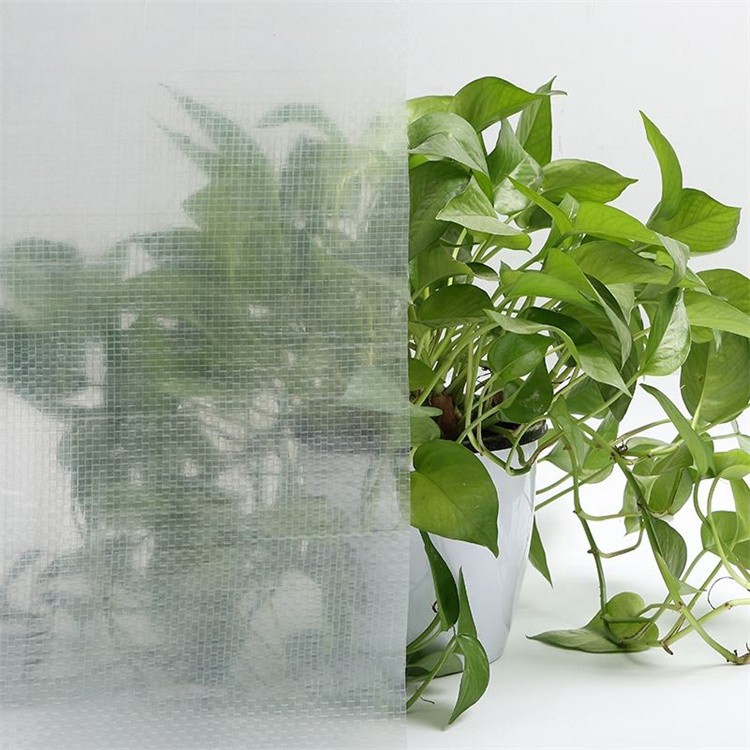
The unique woven texture scatters incoming sunlight evenly throughout the greenhouse, minimizing harsh shadows and eliminating "hot spots" that can damage sensitive foliage. This diffused light distribution ensures that lower canopy leaves receive adequate illumination, promoting uniform photosynthesis across all plant layers.
Advanced UV radiation protection
Most woven greenhouse films are embedded with UV-stabilizing additives that block harmful ultraviolet rays while permitting essential light for plant growth. By filtering excessive UV exposure, these films protect delicate crops from sunburn, leaf bleaching, and stress-related yield reduction.
Precise temperature regulation
Woven greenhouse films contribute to a more stable internal climate by moderating temperature fluctuations. During the day, the film reduces excessive solar heat gain, preventing overheating. At night, it helps retain warmth by minimizing radiant heat loss, maintaining a consistent thermal environment crucial for sensitive crops.
Comprehensive agricultural advantages
Woven greenhouse films create a controlled microclimate that supports sustainable farming practices. Their durability and tight weave act as a physical barrier against pests, birds, and airborne pathogens, reducing reliance on chemical pesticides and promoting organic growing methods.
Environmental and economic sustainability
Due to their extended lifespan and reduced replacement frequency, woven greenhouse films generate less plastic waste compared to disposable polyethylene covers. This contributes to more sustainable agricultural practices and aligns with eco-friendly farming certifications.
Product Specifications
|
Name |
Woven greenhouse film |
|
Material |
100% virgin HDPE with UV treated |
|
Machine |
Water jet loom & cirular weaving machine |
|
Mesh |
7*7 8*8 10*10 11*11 14*14 and so on |
|
Color |
White transparent blue transparent |
|
Size |
Any size as your need,popular size 2.3*12m 4*8 8*10 |
|
Tensile Strength |
Min 600 N both directions of warpand weft (BS 2576, 50 mm grab test or equivalent) |
|
Tear Strength |
Min 100 N both directions (BS 4303 Wing Tear or equivalent). |
|
Grommet |
Provided with strong aluminum eyelets on 4 sides of the single sheet at 100 cm(+/-5 cm) intervals center to center. With reinforced rims by heat sealing on all sides(or 2 sides heat sealing and 2 sides double stitching), and nylon ropes in hem. Min1000 DaN. |
|
Coating |
100% virgin LDPE with UV treated |
|
Thickness |
75g ---250g , 100 micron ---300 micron |
|
MOQ |
100 square meter if we have in stock |
Application of Woven Greenhouse Plastic


Protecting crops from environmental stress
Woven greenhouse film acts as a resilient protective barrier, shielding crops from extreme weather conditions such as heavy rain, hail, strong winds, and intense UV radiation. Its high tensile strength ensures it remains intact even under harsh climatic challenges, reducing crop damage and loss.
Effective weed suppression without chemicals
In organic farming, synthetic herbicides are prohibited, making mechanical and physical weed control essential. The tightly woven structure of polyethylene film blocks sunlight from reaching the soil surface, effectively inhibiting photosynthesis in weed seedlings and preventing their growth.
Preserving soil health and moisture
Healthy soil is the foundation of successful organic farming. Woven greenhouse film plays a critical role in maintaining soil integrity by reducing erosion from wind and water runoff while also conserving moisture through reduced evaporation.
Creating controlled microclimates for optimal growth
One of the most valuable applications of woven greenhouse film is its ability to modify local growing conditions. Farmers can use it to create customized microclimates that accelerate germination, protect young seedlings, and extend the growing season—especially during early spring or late fall.
Packaging and Shipping


Our Certificate


FAQ
We're well-known as one of the most reliable woven greenhouse plastic suppliers in China since 1990, featured by quality products and good price. Please feel free to wholesale high-grade woven greenhouse plastic for sale here from our factory.

